Scale is not the hard part.
Uptime is.
I build the operating systems that let large field networks grow without falling over. I have taken networks from a few dozen sites to thousands, and made the economics work on the way up. The reason I do it is simple. India’s carbon footprint comes down when electric infrastructure works, and not before.





Years in field operations
I don’t manage operations. I design the system operations runs on.
There is a difference between running a network somebody else designed and designing the thing that makes a network runnable at all. I have spent my career on the second one.
How I take a network from fragile to inevitable.
Every network I have taken on arrived without an operating model that could survive its own growth. My approach has held across very different assets, because the problem underneath is always the same one.
Design the model before the growth
Make the whole network visible
Govern the edges
Automate everything a person should not be doing
Bring cost down while volume goes up
Anyone can open sites. The system that keeps them open is the business.
Six systems that did not exist until I built them.
I designed each one, implemented it, then proved it at national scale across 2,000 sites and 24 cities.
India's first battery swapping O&M framework
A Network Operations Centre
Field operations, automated end to end
Network intelligence, not just monitoring
AI coverage: 14% to 63%
Cost falling while the network grew
Charger failures: 700 to under 10
A governance architecture
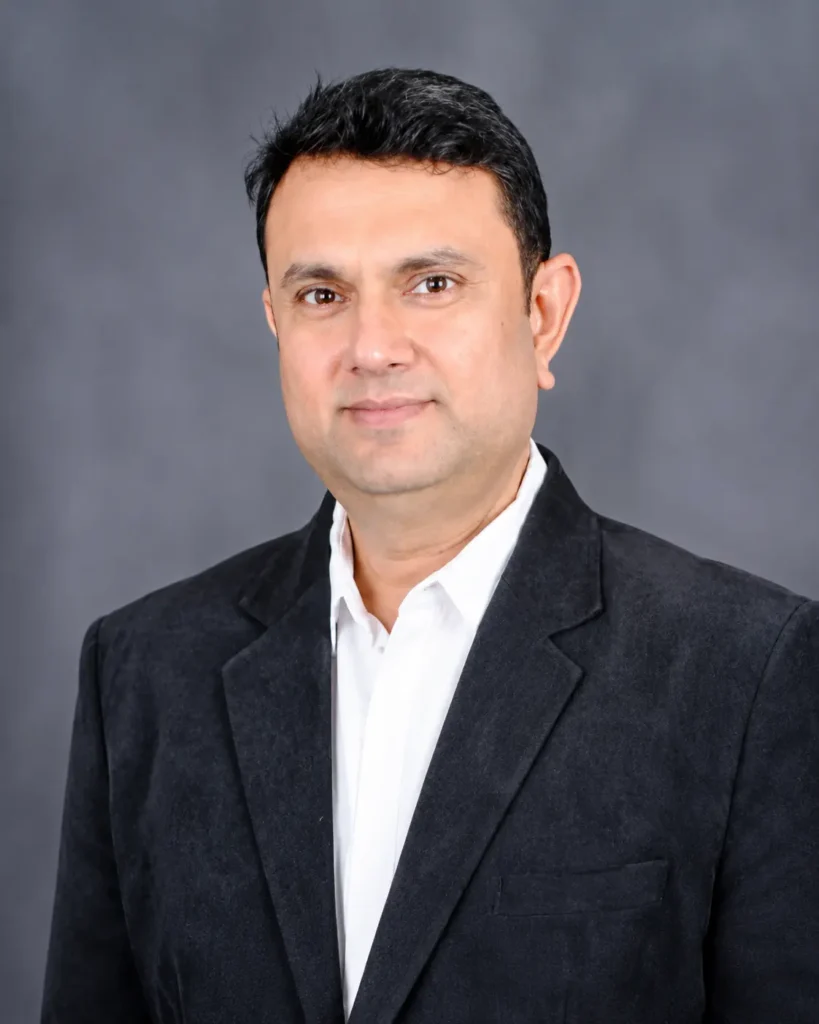
Hey, I’m Abhishek.
I build the systems that keep field networks alive. That has meant towers and it has meant swapping stations, but the work has never really changed. Thousands of assets sitting in places nobody is watching, all of them worth nothing on the days they are down.
The pattern in my career is fairly simple. I take on networks that work at thirty sites and cannot work at two thousand, and I design what has to change. Then I build the team, the governance, and the discipline that keeps it true after I stop looking at it every day.
There is a reason I moved into EV and stayed. Electric infrastructure only takes carbon out of the system on the days it actually works, and getting it to work is what I am good at. That is a more useful contribution to India’s footprint than anything I could say from a stage.
What I write about here is the half of the infrastructure story that rarely gets told. Uptime and unit economics, plus the operating decisions that quietly determine whether a network compounds or bleeds.
Operations is about to stop being a cost line.
For twenty years, operations was the department you squeezed. That is ending. As networks get denser and margins get thinner, the operating model becomes the thing that separates companies that scale from companies that stall.
Three things are changing at the same time. Monitoring is shifting from people walking sites to machines watching them, because past a certain size a human team physically cannot cover the ground. Maintenance is shifting from a calendar to a condition, because servicing on a schedule wastes money on healthy assets and misses the ones quietly failing. And the operating models built here in India, under the tightest cost constraints anywhere, are becoming the ones worth exporting rather than importing.
I am building for all three. If you are scaling field infrastructure and the operations maths has stopped working, that is a conversation worth having.
Where I have done it.
Indofast Energy
Indofast Energy
Sun Mobility
ATC Telecom Infrastructure
Alcatel-Lucent, Bharti Infratel, Idea Cellular
What the network teaches me.
I write about running infrastructure that has to stay up, drawn from what actually happens in the field rather than what looks tidy in a deck.
Practical lessons from the field.
Start a conversation.
Write to me about partnerships, media enquiries, or scaling field infrastructure in a new market.